
As an Amazon Associate, we earn from qualifying purchases.
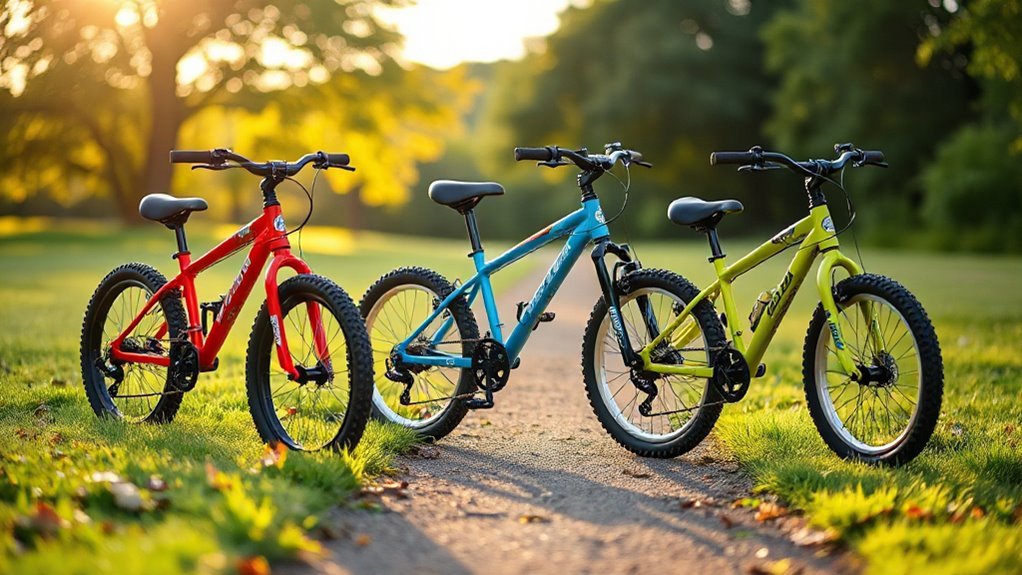
Picture this: a shiny chrome kickstand catching the sunlight as a kid zooms by on a bike that feels solid and reliable.
Some of the links in this article may be affiliate links. If you make a purchase through these links, we may earn a small commission at no extra cost to you. Thank you.
When it comes to finding the right ride for the little ones, it’s all about striking that perfect balance—safe, sturdy, and budget-friendly.
I’ve rounded up three top picks that don’t skimp on essentials like training wheels, adjustable seats, and dependable brakes.
Whether you’ve got a tiny beginner or a growing speedster, there’s something here to suit every young cyclist.
Let’s dive into what makes these bikes stand out without getting lost in all the technical jargon.
JMMD 6-in-1 Foldable Push Bike with Training Wheels for Toddlers

- GROWS WITH YOUR CHILD: No need to buy multiple kid bikes! This 6-in-1 convertible design easily transforms from a parent-push trike to a toddler tricycle, balance bike, toddler bike and more — perfectly suited for ages 18 to 60 months. It’s the only bike your child will need through their early years.
- ADJUSTABLE STEERING HANDLE FOR SAFE CONTROL: The parent push handle rotates 135° for easy control of the toddler push bike’s speed and direction, helping protect your child from tipping or losing balance. It can also be adjusted to match parents’ height for comfortable guiding. Both the handlebar and seat are height-adjustable, and it comes with a seat extension rod for a perfect fit for kids of different heights.
- SAFETY FIRST, ALWAYS: Built with parents’ peace of mind in mind. Equipped with an aluminum alloy frame, 12" all-terrain puncture-proof rubber wheels, a hand brake, and 60° steering limiter to prevent sudden turns. The gear-driven, chain-free system keeps your child safe while offering smoother control. Every detail of JMMD kids bicycle is designed for stability, safety, and comfort.
- EASY TO ASSEMBLE & FOLD: Arrives 95% pre-assembled — just attach the handlebar, seat, push rod, and pedals, and it’s ready to ride. With one press of the red button under the frame, the toddler bike with training wheels folds instantly, making it easy to carry or store in your car trunk. Setup takes just minutes — no tools, no stress, just fun. Perfect for travel and family outings.
- THE PERFECT GIFT FOR GROWING KIDS: Designed with training wheels and a kickstand, JMMD 6-in-1 toddler bicycle offers a smooth and safe transition from tricycle to balance bike to real bike. It helps your little one build balance and confidence step by step — from guided rides to independent adventures. A thoughtful gift for birthdays, Christmas, or first-bike surprises — more than a toy, it’s a memory that grows with your child.
If you’re hunting for a kid’s bike that truly grows with your child, the JMMD 6-in-1 Foldable Push Bike is tough to beat—especially since it undercuts a lot of “one-bike” options. Many parents notice parents chase gear that fits today and tomorrow, and this one does that. It starts as a parent-push trike, becomes a toddler tricycle, a balance bike, and more, so you don’t buy three different machines. The adjustable handlebar and seat mean longer use, while 12 terrain wheels keep things steady. It folds with a button, 95% truly ready out of the box, which feels like magic.
Best For: Parents of toddlers who need a growing, 6-in-1 bike that transitions from parent-push to tricycle, balance bike, and eventually a real bike without needing multiple purchases.
Pros:
- Grows with your child (18–60 months) across multiple riding modes.
- 12 all-terrain puncture-proof wheels provide stability and smooth rides.
- 95% pre-assembled and folds with a button for easy travel and storage.
Cons:
- May be heavier due to the metal frame.
- Some adjustments and setup required for final configuration.
- Fewer color options and potential higher price versus basic single-mode bikes.
RoyalBaby Freestyle Kids Bike
No products found.
A BMX-style bike for ages 3 to 10 that comes in several wheel sizes. It uses sealed bearings for smoother pedalling, comes with training wheels, and has a coaster brake plus a hand brake with a shorter reach for small hands.
RoyalBaby says it arrives 95% assembled.
Best For: First pedal bikes where easy assembly and training wheels matter.
WEIZE Kids Bike (14, 16 and 20-Inch Sizes)

- 16-INCH BIKE FOR GROWING RIDERS: Sized for boys approximately 38–48 inches tall, typically ages 4–6, this WEIZE kids’ bike is designed for learning to ride and everyday outdoor fun. Check your child’s height before selecting the 16-inch model; age is a reference.
- HAND & COASTER BRAKING CONTROL: Two braking systems give children two ways to slow down or stop. Squeeze the handlebar lever to apply the hand brake, or pedal backward to activate the coaster brake. The hand brake is sized for smaller hands to support braking practice.
- FIVE INCHES OF SEAT ADJUSTMENT: Raise or lower the saddle through a 5-inch adjustment range without tools to help your child find a comfortable pedaling position. An adjustable handlebar provides another way to adapt the fit as your child grows within the recommended height range.
- HIGH-CARBON STEEL & EVERYDAY COMFORT: The high-carbon steel frame provides sturdy support for recreational cycling. Wide 2.125-inch tires help soften small bumps during neighborhood rides and outings on paved park paths, while a fully enclosed chain guard helps reduce contact with the moving chain.
- BEGINNER SUPPORT & EASY ASSEMBLY: Training wheels are included to provide added support while children practice pedaling and steering. The bike arrives 85% pre-assembled and includes a 1-year warranty. Finish assembly and check the brakes, training wheels and fasteners before use.
The 16-inch version is sized for children about 38 to 48 inches tall, typically ages 4 to 6, and there are 14 and 20-inch versions for smaller and bigger riders.
It has both a hand brake and a coaster brake, and around five inches of seat adjustment.
Best For: Parents who want a choice of sizes and two ways to brake.
Factors to Consider When Choosing a Kids Bike Under $200
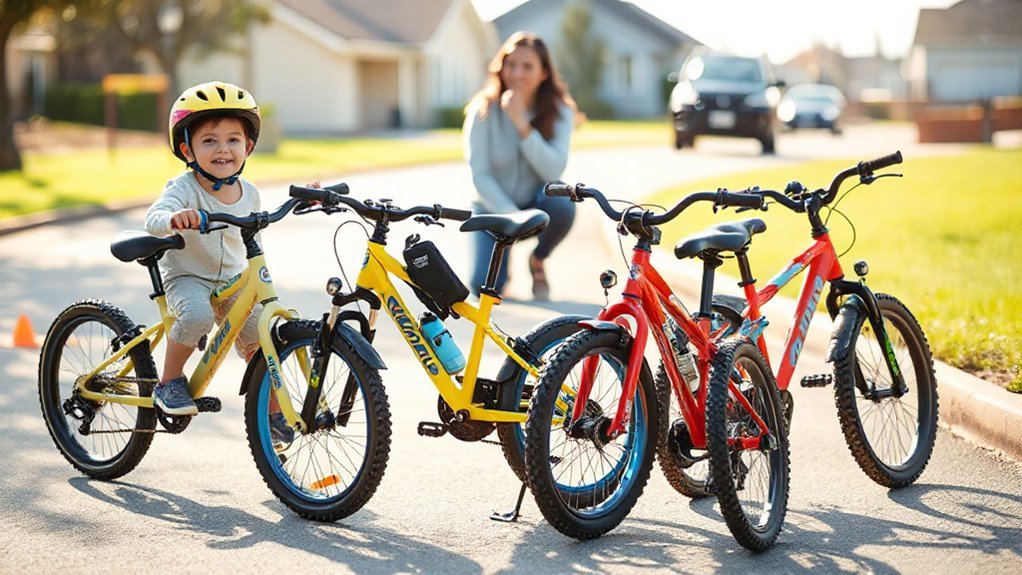
I know picking a kid bike under $200 means balancing size for age with what fits growing bodies. I think adjustable seats and handlebars matter, plus safety features and the kinds of brakes—coaster, handbrake, or both—matter more than you might guess. In practice, a sturdy frame that lasts despite miles of brave rides beats flashy extras every time, so I’m always weighing durability and build as I shop.
Size Proper for Age
Choosing the right size isn’t just a guess—it’s the key to a confident ride. For many kids, a 16-inch bike fits ages 4 to 8 and heights around 41 to 46 inches. I also make certain the seat is adjustable so it grows with them and they can reach the pedals comfortably. Balance comes first, so the frame and wheel size matter; smaller wheels help younger riders, larger wheels work better for older ones. I encourage parents to measure inseam and verify they can stand over the frame with both feet flat on the ground. That little check makes a big difference in safety.
Adjustability for Growth
Size matters, but flexibility matters more when you’re picking a kid’s bike under $200. I look for bikes with adjustable seat heights and handlebars so they can ride for years, not just a season. Quick-release adjustments are a bonus because timing growth spurts is never precise, you know. Some models even include extension rods or adjustable frames, which means fewer replacements and more mileage. Training wheels should be detachable, so we can ditch them when confidence builds. A bike that supports multiple riding styles—from a tricycle stage to a balance bike—is like a built-in growth chart for skills. In practice, longevity matters, and that matters most when the budget stays tight. Maybe I’m optimistic, but it’s worth it for steady progress over time.
Safety Features Included
When I’m choosing a kid’s bike under $200, safety features take center stage. I look for a sturdy frame—aluminum or steel—that’ll hold up during crashes and rough rides. Reliable braking is a must, with both hand brakes and coaster brakes available so little riders learn in a controlled way. A fully enclosed chain keeps fingers safe while they learn to pedal. I also value adjustable steering limiters to prevent sudden, wobbly turns, which helps beginners stay upright. Training wheels are a plus, offering extra balance as confidence grows. It’s not just about being cheap; it’s about lasting safety, stability, and a smoother change from helper wheels to independent miles. I’m careful to compare models, because the right features save injuries and smiles for kids.
Brake Types Available
Finding the right brake setup under $200 isn’t just about price — it’s about how safely the bike stops in real life. Many parents notice two main types: hand brakes on the bars and coaster brakes that you pedal backward. Hand brakes give better stopping power, which I think older kids can handle with a bit of practice. Coaster brakes are great for beginners, since they don’t require strong hand grip and are easier to operate when you’re still learning to balance. Some bikes mix both types, offering a gradual shift as confidence grows. When choosing, I consider your child’s age and riding ability to match the brake system with their development, ensuring safety without overcomplicating things. I’m not saying it’s perfect, just practical guidance.
Durability and Frame Build
Sure, durability isn’t just about lasting a season—it’s about bikes that survive the rough-and-tumble of kid life. When I’m picking a bike under $200, I look for a sturdy frame made from steel or aluminum because those materials handle daily spills and crashes without ducking out early. The frame should be light enough for your kid to steer, yet robust enough to absorb bumps so rides feel stable and safe. Puncture-proof tires are a big plus, cutting down flats and maintenance so we actually ride more. I also check for a fully enclosed chain to prevent injuries, plus practical bits like kickstands and adjustable seats that grow with them. Finally, a pre-assembled frame saves time and guarantees safe, correct assembly. For long-lasting rides ahead.
Weight and Portability
Weight and portability are big deal for me when I’m picking a kids bike under $200. I look for something that’s easy for your kid to handle, not a brick in the driveway. Lighter models are easier to maneuver, and that’s exactly what helps with balance as they learn to ride. A foldable design is a secret weapon if we travel or have tight storage, right? Aluminum frames are typically lighter than steel, which matters when you’re lugging it to the park or up a flight of stairs. Adjustable seat and handlebars? Yes please—they grow with them and feel more comfortable. Just make sure the bike’s weight matches their size to keep stability, you know, safe riding. I think it’s worth finding the fit.
Assembly Simplicity
Moving from weighing weight and portability, Assembly simplicity can make or break a kid’s bike experience. I look for bikes that arrive 85% to 95% pre-assembled, because that saves time and energy you’d rather spend riding. Basic assembly tools should be included, so a novice can start without hunting for wrenches. A clear assembly time estimate—around 20 minutes—helps me gauge the hassle factor before buying. Customer support and user-friendly instructions matter too; I want to know help is nearby if something’s off. In practice, simple setup feels like a lift, not a lab test. That’s why I prefer brands that keep things straightforward today.
Conclusion
In the quest for the best kids’ bikes under $200, you definitely don’t have to compromise on quality or fun. Think of these bikes as trusty sidekicks that will not only keep up with your little adventurer but also help them grow their biking skills. The JMMD 6-in-1 folds up for easy transport, while the BODIOO 16-inch bike comes packed with safety features like training wheels, a handbrake, and even a bell for those joyful rides.
When it comes to choosing a bike, I’d prioritize safety first, comfort second, and then check that price tag. After all, happy rides lead to confident kiddos, and you’ll be patting yourself on the back for making a wise choice. So, if you’re on the hunt for a reliable, fun, and budget-friendly bike for your child, I say go for it! These options are sure to bring smiles and create unforgettable memories. Grab one and watch those little legs pedal away with glee!
Last update on 2026-11-17 / Affiliate links / Images from Amazon Product Advertising API